











Frequently Asked Questions
Are oral surgeons dentists?
Oral surgeons are specialized dentists. They complete dental school and then undergo additional training in oral and maxillofacial surgery, equipping them to perform complex surgical procedures related to the mouth, jaw, and face.
Are oral surgeons doctors?
Oral surgeons are indeed doctors. They are dental specialists who have completed additional training and education in oral and maxillofacial surgery, enabling them to perform complex surgical procedures related to the mouth, teeth, and jaw.
Are oral surgeons in demand?
The demand for oral surgeons is high due to the increasing need for specialized dental procedures, such as wisdom teeth removal and dental implants, driven by a growing awareness of oral health and advancements in surgical techniques.
Are oral surgeries covered under health insurance?
Oral surgeries may be covered under health insurance, but coverage varies by plan. It’s essential to check with your insurance provider to determine specific benefits and requirements related to oral surgery procedures.
Are oral surgeons covered by Medicare?
Oral surgeons may be covered by Medicare under specific circumstances. Typically, Medicare covers oral surgery when it is deemed medically necessary and performed in a hospital or outpatient surgical setting.
Are oral surgeons expensive?
The cost of oral surgeons can vary significantly based on factors such as procedure complexity and location. While some procedures may seem expensive, many insurance plans cover a portion, making treatment more affordable for patients.
What qualifications do oral surgeons require?
The qualifications required for oral surgeons include completing a dental degree, followed by a minimum of four years of specialized surgical training in an accredited residency program. Additionally, they must be licensed to practice and may obtain board certification.
How long is the oral surgery recovery?
The duration of oral surgery recovery varies by procedure but generally takes a few days to a couple of weeks. Most patients can resume normal activities within a week, though complete healing may take longer, depending on individual circumstances.
What types of procedures do oral surgeons perform?
Oral surgeons perform a variety of procedures, including tooth extractions, wisdom teeth removal, dental implants, bone grafting, corrective jaw surgery, and treatment for oral pathology and trauma. Their expertise encompasses both surgical and therapeutic interventions.
What should I expect during oral surgery?
During oral surgery, you can expect a thorough consultation where the procedure will be explained, followed by anesthesia to ensure comfort. The surgery itself is typically quick, with the team monitoring you closely throughout for a painless experience.
How do I choose an oral surgeon?
Choosing an oral surgeon involves considering their qualifications, experience, and patient reviews. Look for a specialist who meets your specific needs, is covered by your insurance, and makes you feel comfortable during consultations.
What are the risks of oral surgery?
The risks of oral surgery include infection, bleeding, nerve damage, and adverse reactions to anesthesia. Additionally, complications may arise depending on individual health factors, so it’s essential to discuss these risks with your oral surgeon prior to the procedure.
How can I prepare for oral surgery?
Preparing for oral surgery involves following your surgeon's instructions closely, which typically include fasting for a specific period, arranging for someone to drive you home afterward, and discussing any medications or health concerns with your dentist.
Do oral surgeons offer sedation options?
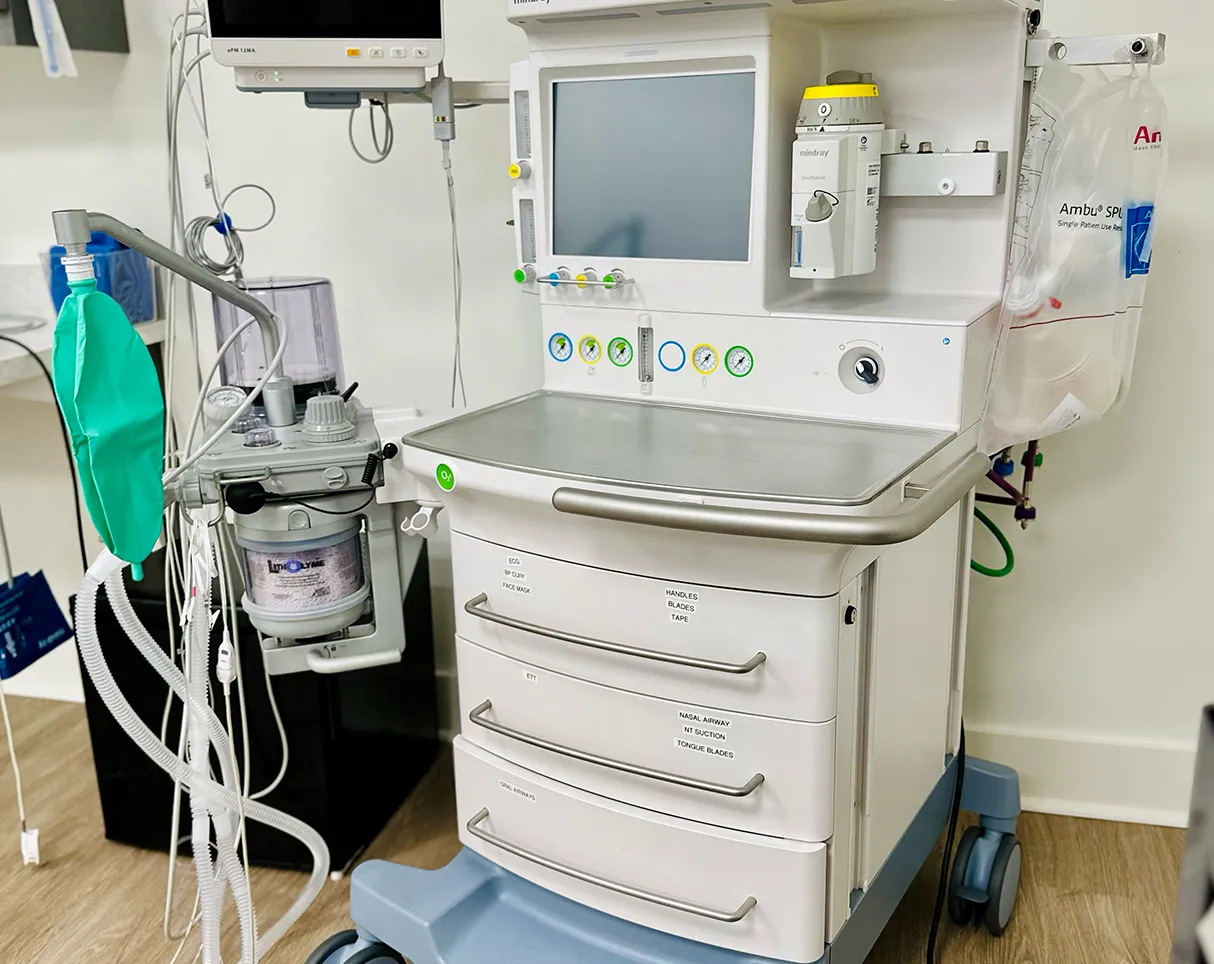
Oral surgeons offer various sedation options to ensure patient comfort during procedures. These options may include local anesthesia, nitrous oxide, and IV sedation, allowing patients to choose the level of comfort they desire during their oral surgery.
What is the success rate of oral surgery?
The success rate of oral surgery is generally very high, often exceeding 95%. This can vary depending on the specific procedure, the patient's overall health, and adherence to post-operative care instructions.
Are there payment plans for oral surgery?
Payment plans for oral surgery are available to help manage costs effectively. We work with various financing options to ensure that you can receive the necessary care without financial stress.
What are common complications from oral surgery?
Common complications from oral surgery include infection, excessive bleeding, nerve damage, swelling, and dry socket. While these risks are generally low, proper post-operative care is essential to minimize potential issues.
Do I need a referral for oral surgery?
A referral for oral surgery is not always necessary. Many patients can schedule an appointment directly with our office. However, some insurance plans may require a referral, so it's best to check with your provider beforehand.
How can I manage pain after oral surgery?
Managing pain after oral surgery involves taking prescribed pain medications, applying ice packs to reduce swelling, and resting as needed. Additionally, following your surgeon's post-operative care instructions can significantly enhance your comfort during recovery.
How soon can I return to work post-surgery?
The timeframe for returning to work post-surgery depends on the type of procedure and your individual healing process. Generally, most patients can resume light activities within a few days, but full return may take up to a week or more. Always consult with your surgeon for personalized advice.
What is the cost range for oral surgery?
The cost range for oral surgery varies widely depending on the type of procedure, complexity, and whether anesthesia is required. Generally, it can range from a few hundred to several thousand dollars.
Is it safe to drive after oral surgery?
Driving after oral surgery is generally not safe. Due to anesthesia effects and potential discomfort, it's advisable to arrange for a responsible adult to drive you home. Wait until you feel completely alert and pain-free before driving.
Can I eat before my oral surgery appointment?
You should not eat before your oral surgery appointment. It is important to follow your surgeon's specific instructions regarding fasting to ensure a safe and successful procedure, especially if sedation will be used.
What sedation methods are used in oral surgery?
The sedation methods used in oral surgery include local anesthesia, nitrous oxide (laughing gas), intravenous (IV) sedation, and general anesthesia, allowing tailored approaches based on the patient's needs and the complexity of the procedure.
How to handle anxiety before oral surgery?
Handling anxiety before oral surgery involves preparing mentally by discussing concerns with your surgeon, practicing relaxation techniques such as deep breathing, and arriving early to acclimate to the environment. Trust in your medical team can greatly ease your worries.
What to bring to your oral surgery appointment?
To prepare for your oral surgery appointment, bring a valid photo ID, your insurance information, any relevant medical records, a list of medications you are currently taking, and a caregiver or friend to assist you post-procedure.
Are there age restrictions for oral surgery?
Age restrictions for oral surgery vary based on the procedure and the patient's medical condition. Generally, there are no strict age limits; however, children and elderly patients may require special considerations.
Can an oral surgeon treat jaw pain?
An oral surgeon can indeed treat jaw pain. They specialize in diagnosing and managing conditions related to the jaw, offering treatments that may include surgical options, medication, or therapy aimed at alleviating discomfort and restoring function.
What are signs I need oral surgery?
The signs that you may need oral surgery include persistent pain, swelling, difficulty chewing or swallowing, noticeable changes in your bite, and recurring infections. If you experience any of these symptoms, it’s essential to consult a dental professional.
How to prevent infections after oral surgery?
Preventing infections after oral surgery involves following proper care guidelines. Keep the surgical area clean, avoid touching or probing it, use prescribed medications as directed, and attend follow-up appointments to ensure proper healing and address any concerns promptly.